
15 steps
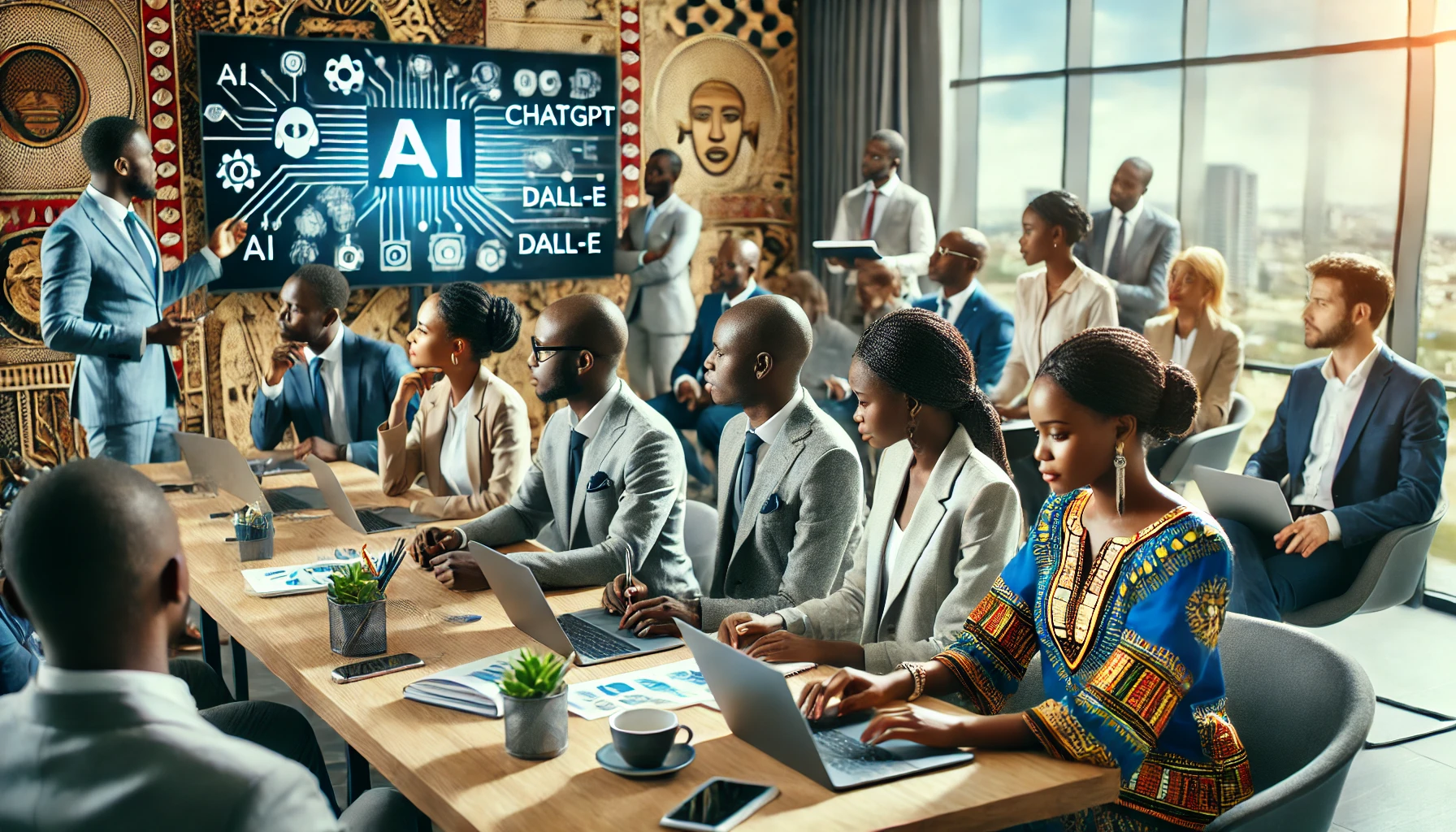
About
Who is this training for?
- Entrepreneurs and decision-makers who want to integrate AI into their strategies,
- Digital and marketing professionals looking for new opportunities,
- Students and researchers curious to explore the foundations and implications of AI,
- Anyone who wants to understand generative AI and its impact on our future.
Duration: Immersive training with practical cases and interactive demonstrations.
Certification at the end to attest to your skills
Join this training and master generative AI today!
Rewards

Earn a certificate by completing the program.

Participants who complete all steps of the program will receive a badge.
Instructor(s)
 Kévin Guéï
Introduction to Generative Artificial Intelligence
What is AI? (Definition, history, applications)
The difference between AI, machine learning, and deep learning
Why is AI a major revolution?
The Foundations of Generative AI
You can't provide services or products without the right resources.
This is the place to list out what you have: locations, workers, physical supplies, and previous investments. Prove that you've thought through every step of the process and know how to get the job done.
The Rise of Generative AI
Current Uses and Applications
AI in Marketing and Content
AI in Business: Automation and Productivity
The Impact of AI on Education and Professional Training
Challenges and Limits of Generative AI
Bias and Ethics in Generative AI
Regulation and the Future of AI
Case Study – Final Exam: Generative AI in Business
Context:
A digital marketing company, “DigitalBoost,” wants to integrate generative artificial intelligence to improve its content creation and automation processes. Currently, the company produces advertising campaigns, blog articles, and marketing visuals for its clients. However, it faces challenges related to production speed, content personalization, and cost optimization.
Problem statement:
How can DigitalBoost integrate generative AI to improve its efficiency and meet its clients' needs while respecting ethical and legal constraints?
Case Study Objectives:
- Analyze DigitalBoost's specific needs in content creation.
- Identify the generative AI models best suited to the company (GPT, DALL-E, Stable Diffusion, etc.).
- Propose a strategy for integrating generative AI into DigitalBoost's workflow.
- Assess the ethical impacts and challenges linked to the use of generative AI.
Questions:
- What types of content can DigitalBoost automate using generative AI? Justify your answer with examples.
- Compare the available generative AI models and explain which would be best suited to DigitalBoost's needs.
- Describe an implementation plan for generative AI at DigitalBoost (steps, tools, required training, etc.).
- What are the risks of using generative AI for DigitalBoost, and how can they be mitigated?
- What ethical and legal considerations should be taken into account when using generative AI to create marketing content?
Expected deliverables:
- A detailed report answering the questions above (3 to 5 pages).
- A concise presentation (10 slides maximum) setting out your strategy and recommendations.
- A proposed ethics charter for the use of generative AI within DigitalBoost.
Good luck!