20 steps
About
The internet has undergone two major changes during its existence. The first was web 1.0, which introduced the widespread adoption of the internet. Then web 2.0 introduced user-generated content and social networks, allowing people to share their opinions and experiences online. Web 3.0, or web3, will therefore be the third major change in the history of the internet. It is expected to be implemented soon, once it has been fully developed and widely adopted by businesses, organizations, individuals, and schools. Here is an overview of web 3.0.
Rewards

Earn a certificate by completing the program.
Instructor(s)
 Fresh nes
1. Context
The internet has evolved over the decades through several major transformations. After Web 1.0 (static) and Web 2.0 (interactive and dominated by centralized platforms), Web 3.0 represents a new revolution: a decentralized, secure, intelligent internet that is more respectful of users' data.
In the African context, where internet access and financial inclusion are expanding rapidly, Web 3.0 offers unique opportunities for entrepreneurs, creators, and citizens.
2. What is Web 3.0?
Web 3.0 is an improved version of the internet built on three fundamental pillars:
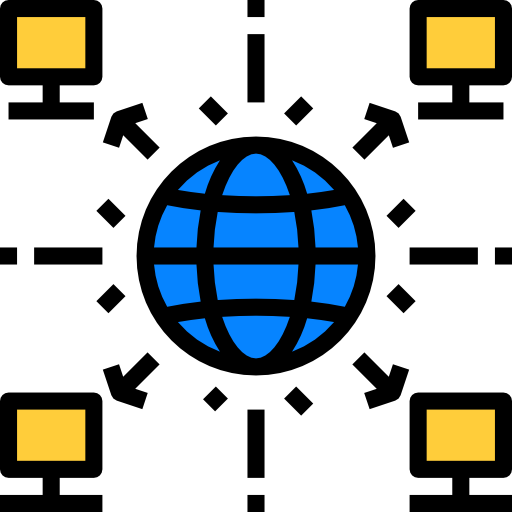
- Decentralization: Unlike Web 2.0, where data is stored by tech giants (Google, Facebook, Amazon), Web 3.0 uses blockchain and peer-to-peer technology to give users direct control.
- Data ownership: Every internet user keeps control of their personal information and can monetize it as they choose.
- Artificial intelligence and interoperability: Advanced algorithms and smart contracts make it possible to automate many tasks and improve digital interactions.
Example: Imagine an African artist who sells their works as NFTs (Non-Fungible Tokens) on the blockchain. They keep 100% of their profits without going through an intermediary platform such as Spotify or Apple Music.
Web 3.0 will generate new opportunities that did not exist before and, in some cases, may replace traditional web technologies.
But one of the most significant developments related to web 3.0 sites and applications lies in their ability to process information in the same way we process our thoughts. They will allow people to experience information at a cognitive level, which explains why this generation is called web 3.0 or web3.
The user-centric approach of internet 3.0Tech giants such as Google, Facebook, and Microsoft make colossal profits by storing and then selling users' data. Web 3.0 will allow every user to be paid for the time they spend on the web and for their data. In other words, users will be placed at the center of web 3.0 and will be able to sell their own data to advertisers while keeping ownership and privacy of it.
At the same time, this new-generation web will allow websites and applications to use data more meaningfully and to tailor information to each user.
This third iteration of the internet, which interconnects data in a decentralized way, will allow users to enjoy personalized exchanges with machines and websites in the same way as when they communicate with an ordinary human.
3. Difference between Web 1.0, Web 2.0, and Web 3.0
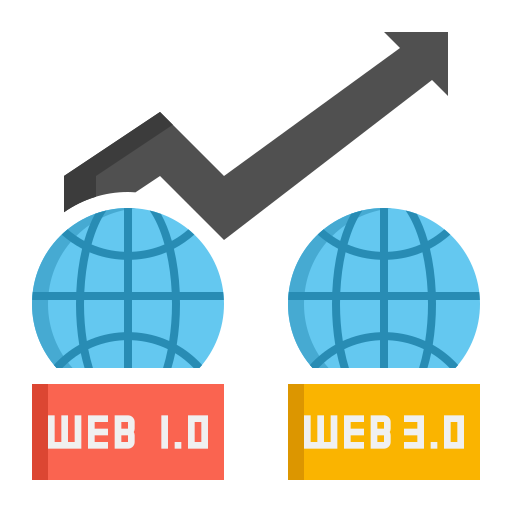
WEB 2 AND 3
The Web has evolved through several stages, each marked by specific characteristics and uses. Here are the main differences between Web 1.0, Web 2.0, and Web 3.0
- Web 1.0: The static Web (1990s - early 2000s)
- Web 2.0: The participatory and social Web (2000s - today)
- Web 3.0: The semantic and decentralized Web (emerging since the 2020s)
One-way browsing: users read or view information without interaction. Low interactivity: no forums or social media.
Applications: directories and search engines (for example Yahoo!, Altavista).
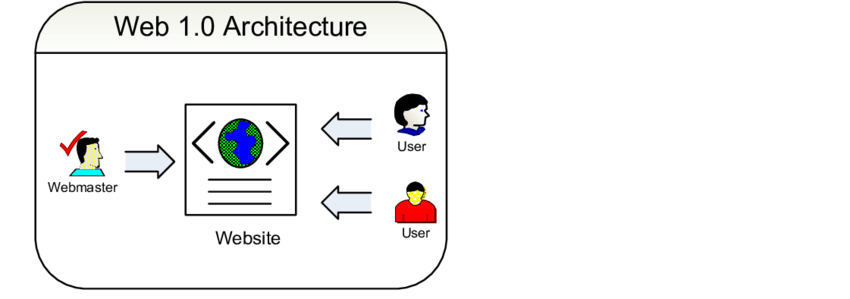
Examples: Corporate showcase sites, static personal pages. Read-only (limited read-write for the administrator).
Users are both consumers and creators of content. Main characteristics:
Interaction and participation: blogs, forums, social media (Facebook, Twitter, Instagram).
Dynamic technologies: AJAX, JavaScript, APIs for rich user experiences.
User-generated content: videos, comments, reviews, shares.
Sharing economy: Uber, Airbnb.
Data centralization: content and interactions are often controlled by centralized platforms (Google, Facebook, Amazon).
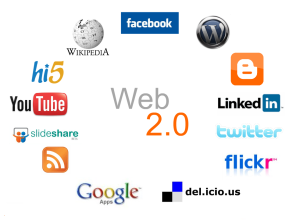
Examples: YouTube, Wikipedia, social networks.
Emergence of application platforms and digital ecosystems.
Semantic web: machines able to understand and interpret content thanks to metadata.
Decentralization: use of blockchain technologies and peer-to-peer networks to give control back to users (for example, decentralized storage and transactions).
AI and automation: use of artificial intelligence and advanced algorithms to deliver personalized experiences (chatbots, virtual assistants, etc.).
Data ownership: emphasis on privacy and users' control over their personal data.
Decentralized applications (dApps): run on the blockchain, often without the need for intermediaries.

Examples: Cryptocurrencies, NFTs, Web3 platforms such as Ethereum, IPFS. Decentralized protocols for social media (Lens Protocol), and marketplaces.
4. From Web 1.0 to Web 3.0: Evolution and Comparison
Real-life case in Africa: Blockchain-based microfinance platforms, such as Celo and Akoin, allow entrepreneurs to receive loans without going through traditional banks.
Binance Academy Web 3: Beginner's Guide
Quiz 1
Test Your Knowledge
A minimum score of 80% is required to pass the test
1. What is the main characteristic of Web 1.0?
2. What type of site was most common during the Web 1.0 era?
3. Which technologies contributed to the emergence of Web 2.0?
4. In Web 2.0, what is the role of users?
5. Which examples of platforms illustrate the Web 2.0 era?
6. What is the sharing economy, which emerged with Web 2.0?
7. One of the characteristics of Web 2.0 is data centralization. This means that:
8. Web 3.0, which is still in development, is often associated with which technologies?
9. What major change did Web 2.0 bring compared to Web 1.0?
10. Which of the following examples represents a typical Web 2.0 user-generated content platform?
1. Blockchain and Decentralized Finance (DeFi)
The blockchain is a secure and transparent digital ledger. It enables the creation of digital currencies (cryptocurrencies) and financial services without intermediaries.
- Impact in Africa: Cryptocurrency is an alternative to traditional banking systems. Platforms such as Binance, Yellow Card, and Paxful make it possible to send and receive money without exorbitant fees.
-
- Financial inclusion for unbanked populations.
- Fast, low-cost transactions, even for cross-border payments.
- Secure, traceable transactions.


2. Decentralized Applications (dApps)
The dApps are applications that run on the blockchain, without a centralized server. They are used for:
- Digital identity: Proof of identity on the blockchain (e.g., Wala, Civic ID).
- Education: Certificates and diplomas verifiable via blockchain (e.g., Ethereum-based OpenCerts).
- Agriculture: Supply chain tracking and reduction of food fraud.
- Real-life example: In Africa, the startup "AgriLedger" uses blockchain to ensure transparency and fairness in agricultural transactions.
Binance Academy Web 3: Understanding NFTs
3. The Metaverse and NFTs
The Metaverse is an immersive digital universe where users can interact, work, and invest.
- Opportunity in Africa: African artists, designers, and musicians use NFTs to sell their creations directly to buyers without intermediaries.
- Real-life case: Osinachi, a Nigerian artist, sells his works as NFTs for several thousand dollars.
Quiz 2: Components of Web 3.0
Test Your Knowledge
A minimum score of 80% is required to pass the test
1. What is the main role of the blockchain in Web 3.0?
2. What is a decentralized application (dApp) in Africa?
3. NFTs mainly make it possible to:
4. Which African sector already benefits from the Metaverse?
What key advantage does Web 3.0 bring compared to Web 2.0?
1. What is the semantic web?
The semantic web is a movement aimed at making the web smarter and easier to use by using artificial intelligence technologies to better understand and interpret the data found on the internet.
The semantic web relies on technologies such as the RDF markup language (Resource Description Framework) and ontologies to help computers better understand the meaning of online data. RDF, for its part, is a markup language that makes it possible to describe resources on the web in a structured and standardized way. And ontologies are knowledge models that describe the concepts and the relationships between them in a given domain.
The goal of the semantic web is therefore to enable computers to better understand the content of web pages and to facilitate interoperability between different sites and databases. This can translate into features such as:
- More precise and more targeted content search;
- The ability to share data more easily between different sites;
- And the creation of smarter applications that can use web data more effectively.
The semantic web is an evolving field in which many developments are still to come. However, it is already widely used in many areas, such as online search, content management, and database creation.
Below is a table summarizing the differences between the various stages of the internet's evolution: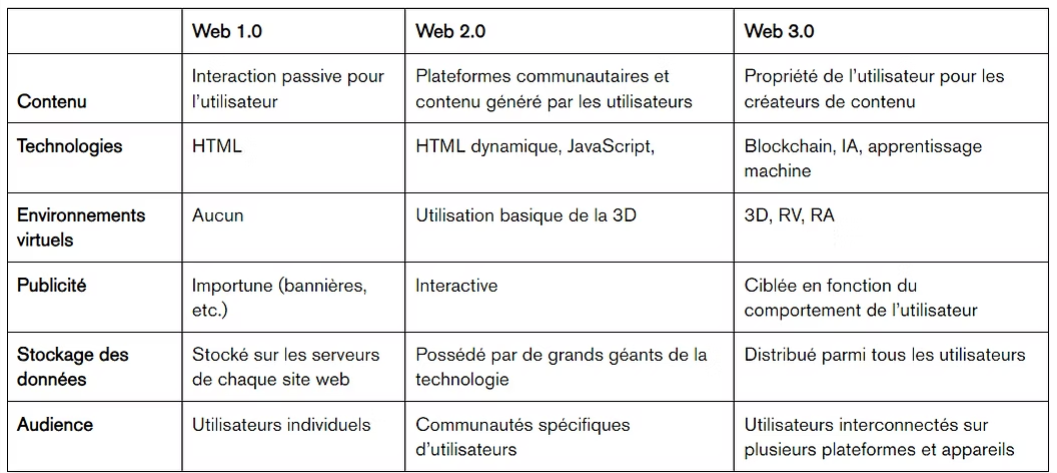
Use cases
Decentralized finance (DeFi): Financial services (loans, savings) without intermediaries.
NFTs (Non-Fungible Tokens): Ownership of digital works (art, music, video game items).
Digital identity: Full control over personal information.

Gaming: Decentralized games where players own the assets (characters, equipment).

Supply chain: Real-time product tracking (transparency and traceability).
1. Financial Inclusion and Cryptocurrencies
- M-Pesa, the mobile payment service in Kenya, could be strengthened with blockchain solutions for more transparency and security.
- Akoin, the cryptocurrency launched by singer Akon, aims to make transactions easier in Africa.
- Blockchain and remittances: Platforms such as Stellar allow Africans to transfer money at a lower cost.
2. Agriculture and Product Traceability
- IBM Food Trust uses blockchain to ensure food traceability from producer to consumer.
- Twiga Foods in Kenya makes food distribution easier with digital tools.
- Real-time tracking: Blockchain used to prevent fraud and losses in the agricultural supply chain.
Quiz 3: Use Cases in Africa
Test Your Knowledge
A minimum score of 80% is required to pass the test
How does the blockchain improve money transfers in Africa?
Which mobile payment service could integrate blockchain for more transparency?
What benefit does blockchain offer in African agriculture?
Why could education benefit from Web 3.0 in Africa?
How can Web 3.0 transform the media in Africa?
1. Challenges
- Lack of infrastructure: Limited access to the Internet and computer equipment in some rural regions slows the adoption of Web 3.0. The high cost of connectivity and the lack of high-quality networks hinder the development of decentralized technologies.
- Regulation and government adoption: Using Web 3.0 tools requires advanced technical skills (blockchain development, smart contract programming, cybersecurity). The lack of specialized training in Africa limits the emergence of local talent in this field.
- Cost and technological complexity: Using Web 3.0 tools requires advanced technical skills (blockchain development, smart contract programming, cybersecurity). The lack of specialized training in Africa limits the emergence of local talent in this field.
- Public awareness and acceptance: Many people remain wary of Web 3.0 because of a lack of digital education and the frequent scams surrounding cryptocurrencies.
- Security and cybercrime risks: Decentralization also brings challenges in protecting users against fraud, hacking, and the loss of digital assets.
2. Opportunities
- New business models: Web 3.0 opens up opportunities for African content creators, developers, and entrepreneurs by giving them access to direct funding (NFTs, crowdfunding, tokens). Artists can sell their work without intermediaries, and farmers can benefit from transparent, traceable transactions.
- Digital sovereignty: Africa could reduce its dependence on the centralized platforms of big tech companies (Google, Facebook, Amazon). By relying on decentralized infrastructure, African countries could develop local services better suited to their needs.
- Financial inclusion: The rise of cryptocurrencies and DeFi solutions allows unbanked populations to access financial services, store value, and carry out international transactions at a lower cost.
- Developing local talent: With investment in blockchain and Web 3.0 training, young Africans could become major players in this new digital economy and export their expertise internationally.
- Transparency and the fight against corruption: Adopting blockchain for public services (electronic voting, land management, tracking of public finances) could strengthen transparency and reduce corruption in several African countries.
- Using blockchain for essential services: Health (secure medical records), education (digital certifications), agriculture (product traceability), and energy (decentralized power grids) are all sectors that could benefit from Web 3.0.
3. Conclusion
In summary, despite infrastructure and regulatory challenges, Web 3.0 offers promising prospects for Africa by fostering a more inclusive, secure, and innovative economy.
Web 3.0 represents a major advance that could reshape the economy and innovation in Africa. With the rise of cryptocurrencies, NFTs, and decentralized services, Africans have the opportunity to break free from today's centralized models.
Quiz 4: Challenges and Opportunities
Test Your Knowledge
A minimum score of 80% is required to pass the test