
7 days - 26 steps
About
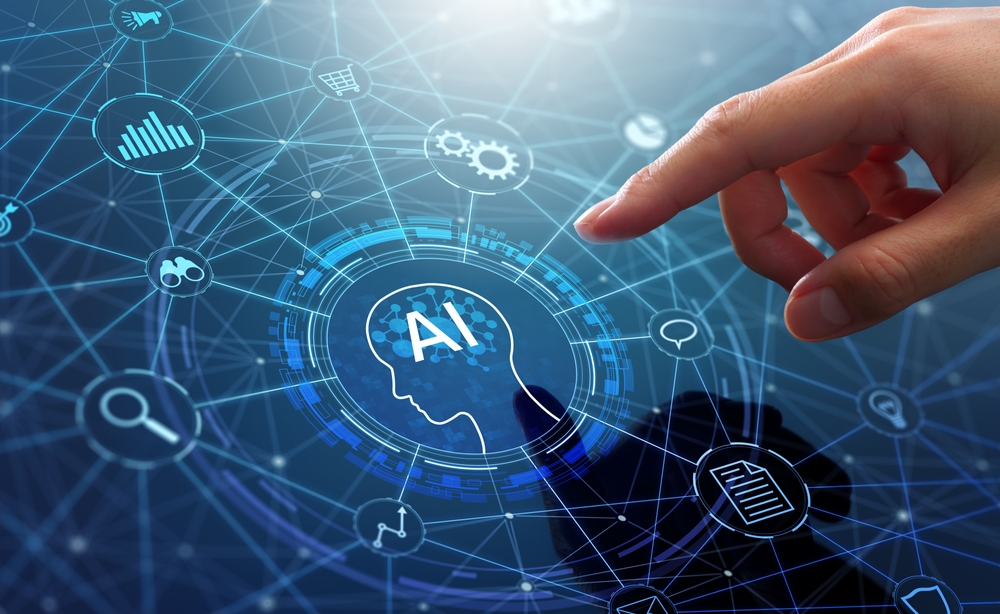
Familiarize beginners with the basic concepts of Artificial Intelligence (AI), its historical evolution, and its key subfields. This module helps you understand the difference between weak AI and strong AI, and introduces topics such as Machine Learning and Deep Learning. It includes interactive exercises and discussions on the ethical questions surrounding AI.
Rewards

Earn a certificate by completing the program.

Participants who complete all steps of the program will receive a badge.
Instructor(s)
 Kouame Ivan Cedric
 Kévin Guéï
Introduction to AI
What is Artificial Intelligence?
AI refers to the ability of machines to simulate intelligent human behavior. It is used in a wide range of fields, from data analysis to voice and visual recognition.
In this section, we will introduce the basics of AI and its current applications, and explain why it is considered one of the most revolutionary technologies of the 21st century.
The basics of AI
Definition of AI (Artificial Intelligence)
Introduction to Artificial Intelligence (AI)
Artificial Intelligence (AI) is a field of computer science that aims to develop machines and systems capable of performing tasks generally associated with human intelligence. These tasks include complex processes such as reasoning, learning, language understanding, pattern recognition, sensory perception, and decision-making.
AI works mainly through algorithms and machine learning models, which allow machines to process massive volumes of data to extract insights and take actions, sometimes autonomously. With each interaction and each additional piece of data, AI can improve and refine its capabilities, reproducing and even surpassing certain human cognitive processes.
Key Points:
- Learning from data: AI, and machine learning in particular, uses data to detect patterns and generate predictions or decisions.
- Simulation of human cognitive processes: AI simulates human skills such as image recognition and natural language understanding.
- Adaptability and continuous improvement: Thanks to new data, AI can adapt and improve, increasing its accuracy and efficiency.
Examples of AI in everyday life
Applications of Artificial Intelligence (AI)
Voice assistants (e.g., Siri, Google Assistant, Alexa)
These systems use natural language processing (NLP) to understand and respond to users' voice commands. They can answer questions, control smart devices, or schedule tasks.
Content recommendations (e.g., Netflix, YouTube, Spotify)
Streaming platforms use AI to analyze users' viewing or listening habits and recommend movies, series, or music based on their preferences.
Self-driving cars (e.g., Tesla Autopilot)
AI allows vehicles to navigate without human intervention using sensors, cameras and algorithms to analyze the environment, identify obstacles, and make driving decisions.
Facial recognition (e.g., iPhone Face ID)
AI is used to identify and authenticate faces by comparing facial features with databases, enabling secure access to devices or services.
Chatbots and automated customer service
Companies use AI-based chatbots to answer customer questions automatically, 24/7, improving the user experience while reducing service costs.
Search engine optimization (e.g., Google Search)
Google uses AI algorithms to understand users' queries and deliver relevant results based on thousands of factors and on real-time analysis of content available online.
AI as a personal assistant
Why AI matters for professional women
Artificial intelligence has become a key driver of innovation and economic growth worldwide. For professional women in Africa, AI represents a unique opportunity to strengthen their position in a constantly evolving job market.
Here are some reasons why AI is particularly important for them.


Impact on gender equality: AI can help reduce gender inequalities by eliminating certain biases present in recruitment and promotion processes. For example, algorithms can be designed to evaluate candidates based on their skills and experience, rather than on biased gender-related criteria. This can open doors for women in sectors traditionally dominated by men.
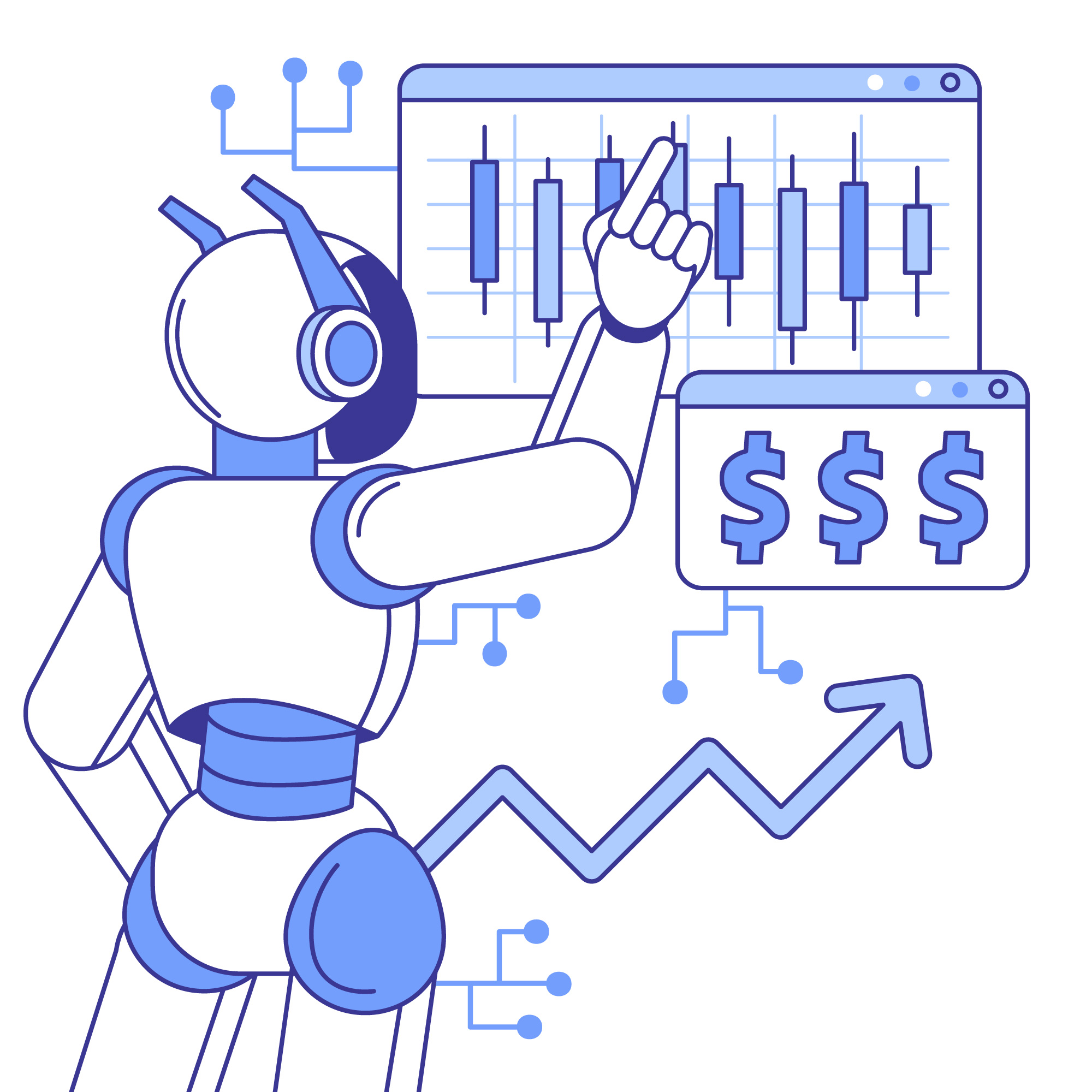

Economic opportunities: AI opens new avenues for women entrepreneurs. AI technologies can be integrated into business models to improve efficiency, reduce costs, and offer new services. For example, a woman running a small business can use data analysis tools to better understand her customers' needs and adjust her offerings accordingly.

Access to resources and networks: Many initiatives and programs in Africa aim to support women in technology and AI. These resources can include trainings, scholarships, and mentoring opportunities. By engaging in these initiatives, women can acquire valuable skills and expand their professional network.

Skills development: Learning AI technologies allows women to develop technical skills that are increasingly in demand in the job market. This gives them a competitive advantage and prepares them for leadership roles in fast-growing fields.

In conclusion, artificial intelligence is not just a technology trend; it represents a strategic opportunity for professional women in Africa. By getting started with AI and understanding its practical applications, they can equip themselves to succeed in a constantly evolving economic environment.
Practical applications of AI

AI in the business sector
Artificial intelligence continues to redefine the business world with innovative solutions that optimize efficiency and productivity. For professional women in Africa, adopting these technologies can boost the growth of their businesses.
- Automation of administrative tasks: AI now makes it possible to automate more processes through advanced tools like Notion AI and ChatGPT Enterprise, which write meeting summaries, summarize documents, and manage emails automatically.
- Data analysis for decision-making: Platforms like Google Looker and Power BI offer enhanced predictive data visualizations, making it possible to anticipate consumer demand with greater accuracy.
- Personalizing the customer experience: AI chatbots, such as Drift AI and Intercom AI, optimize customer interactions by offering tailored responses and highly personalized recommendations.
- Smart CRM: Platforms like HubSpot AI use AI to analyze customer interactions and suggest strategic actions to improve retention.

AI in the healthcare sector
Artificial intelligence is transforming the healthcare sector by making care more accessible and improving diagnoses.
- AI-assisted diagnosis: The Paige AI tool is now used for cancer analysis, while Qure.ai assists radiologists in interpreting medical images with remarkable accuracy.
- Health and wellness tracking: Apple Health, Google Fitbit, and WHOOP collect real-time data and use AI to provide personalized advice on physical activity and disease prevention.
- Medical data management: AI plays a key role in securing health data through blockchain, with solutions like Medicalchain that guarantee the confidentiality and accessibility of patient records.
- Prevention and education: Ada Health AI and Babylon Health provide preliminary diagnoses and advise patients on the next steps in their care.
AI in agriculture
AI is helping make agriculture more efficient and sustainable in Africa, helping women farmers optimize their production.
- Crop optimization: PlantVillage Nuru uses AI to identify plant diseases from simple photos taken with a smartphone.
- Weather forecasting: The Climate Corporation accurately predicts weather conditions, helping farmers anticipate changes.
- Disease and pest detection: Agrosmart provides recommendations based on satellite images and soil analysis to prevent infestations.
- Supply chain management: IBM Food Trust uses blockchain and AI to track agricultural products from the field to the point of sale, ensuring greater transparency and traceability.
Conclusion
The integration of artificial intelligence into these sectors opens new prospects for women in Africa. Mastering these tools can transform their activities and contribute to a more dynamic and inclusive economy.
Quiz: Test your knowledge of AI
Test your knowledge
A score of 80% is required to pass the test
1. Which technology is essential to the functioning of artificial intelligence?
2. Which AI tool is mainly used for customer relationship management?
3. Which AI application is commonly used to improve the customer experience in online stores?
4. In the healthcare field, which AI solution is used to analyze medical images?
5. Why is AI a major asset for women farmers in Africa?
6. What is the main advantage of AI in data analysis for businesses?
7. Which platform uses AI to predict weather trends in agriculture?
8. Which AI-based solution helps with the secure management of medical data?
9. Why do companies integrate AI-powered chatbots into their customer service?
10. What is one of the key roles of AI on streaming platforms like Netflix?
Weak AI vs. strong AI
Classification of Artificial Intelligence
Artificial Intelligence can be classified into two main categories: weak AI and strong AI. It is important to understand the difference between these two types, because their capabilities and implications differ greatly.
Weak AI
Weak AI, or narrow AI, refers to systems designed to perform specific tasks without real understanding or awareness. These systems excel in defined areas but do not possess general intelligence.

Examples:
- Voice assistants (Siri, Alexa)
- Content recommendations (Netflix, Spotify)
- Customer service chatbots
Strong AI
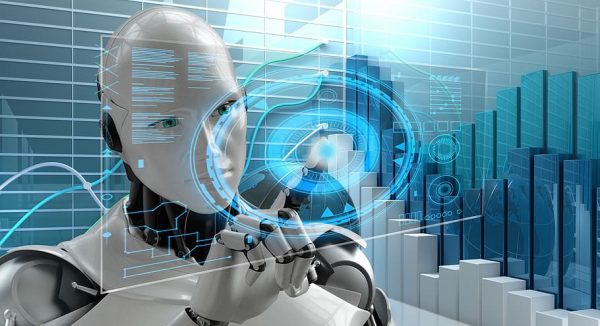
Strong AI, or general AI, refers to systems that possess intelligence comparable to that of humans. These systems can understand, learn, and apply knowledge autonomously across various domains.
Theoretical examples:
- Robots capable of reasoning and making decisions
- Autonomous systems with consciousness
- Machines capable of learning new skills without human assistance
Weak AI (or narrow AI)
What is Weak AI?
Weak AI focuses on specific tasks it is programmed for. It is effective in a precise domain but does not possess real understanding or general awareness. Weak AI systems operate through algorithms designed to solve defined problems, such as speech recognition or content recommendation.
Characteristics of Weak AI:
- Specialized in specific tasks.
- Working today in many fields.
- Has no consciousness or general intelligence.
Examples of Weak AI:
Siri and Google Assistant:
These voice assistants respond to voice commands for specific tasks such as sending messages, looking up information, and so on.
ChatGPT:

This model generates natural-language text based on pre-trained models, but does not understand context beyond the current task.
Image recognition:

Systems able to identify objects or faces in photos, but only within that specific domain.
Strong AI (or general AI)
What is Strong AI?
Strong AI is a theoretical type of artificial intelligence that does not exist yet, but that would be able to understand, think, and act in a way similar to a human being. It would be able to learn and perform every intellectual task a human can, while adapting to new situations without human intervention.
Characteristics of Strong AI:
- Versatile: Able to adapt to any cognitive task.
- Theoretical: Has an understanding of context and might even have emotions.
- Nonexistent: Today, strong AI remains mostly a subject of science fiction.
Hypotheses about Strong AI:
A strong AI could not only automate complex tasks, but also understand human feelings, make ethical decisions, and reason about moral problems. However, this raises crucial questions about safety and ethics:
- Unpredictability: Could a strong AI act in unpredictable or dangerous ways if it became more intelligent than humans?
- Ethical Responsibility: Who would be responsible for the actions of such an AI?
Weak AI vs. Strong AI comparison
| Criteria | Weak AI | Strong AI |
|---|---|---|
| Specialization | Specialized in specific tasks. | Versatile, able to perform all human tasks. |
| Status | Working and present today. | Theoretical, still in the realm of science fiction. |
| Understanding | Does not truly understand what it is doing. | Would possess consciousness and genuine intelligence. |
| Examples | Siri, ChatGPT, image recognition. | Does not exist yet. |
Quiz: Strong AI vs. Weak AI
Test your knowledge
A score of 80% is required to pass the test
1️⃣ What is the main difference between weak AI and strong AI?
2️⃣ Which of the following is an example of weak AI?
3️⃣ Why is strong AI still theoretical?
4️⃣ What is a limitation of weak AI?
5️⃣ Which type of AI is used for facial recognition?
6️⃣ What could a strong AI do if it really existed?
7️⃣ What major risk is often raised regarding strong AI?
8️⃣ Why is ChatGPT considered a weak AI and not a strong AI?
9️⃣ Which of these could be a sign that a strong AI has been developed?
🔟 What would be a potential benefit of a strong AI?
Main subfields of AI
The Sub-Fields of Artificial Intelligence
AI encompasses several specialized sub-fields, each essential for different applications. Here is an introduction to some of the key areas:
1. Machine Learning
Uses algorithms to enable machines to learn from data, by identifying patterns and making predictions.
2. Natural Language Processing (NLP)
Enables machines to understand and interact with human language, used in applications such as chatbots and machine translators.
3. Computer Vision
Teaches machines to interpret and understand the visual content of the world, such as image recognition and video analysis.
4. Robotics
Involves designing and programming robots able to perform autonomous or assisted tasks, often used in manufacturing and logistics.
5. Expert Systems
Use knowledge bases to solve complex problems in specific fields, such as medicine or finance.
Machine Learning
Machine Learning
Machine Learning is a sub-discipline of AI that consists of developing algorithms that allow a machine to learn from data without being explicitly programmed.
Types of Learning
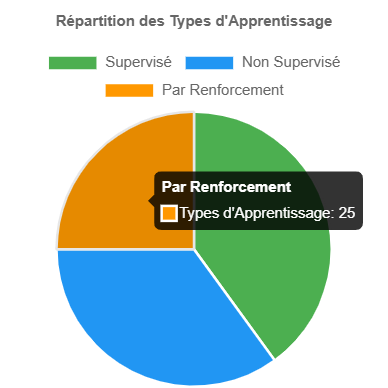
Supervised, unsupervised, and reinforcement learning
Applications of Machine Learning
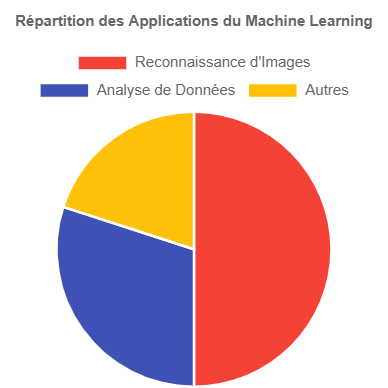
Image recognition, predictive analytics, recommendations
Deep Learning
Neural Networks in Machine Learning
Neural networks are a branch of Machine Learning that uses networks of neurons to learn from large amounts of data. They are particularly effective for tasks such as image classification and natural language processing.
How Neural Networks Work
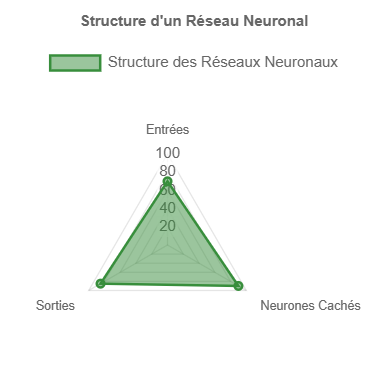
Neural networks imitate the workings of the human brain with layers of interconnected neurons.
Applications of Neural Networks
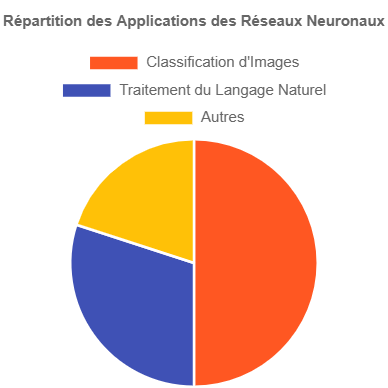
Speech recognition, computer vision, natural language processing.
Natural Language Processing (NLP)
Natural Language Processing (NLP)
The Natural Language Processing (NLP) is a sub-discipline of artificial intelligence that enables machines to understand, interpret, and generate human language in a natural way. This means computers can now interact with us in our everyday language, making technologies more accessible and intuitive.
How does it work?
NLP combines several techniques, including:
- Syntactic analysis (sentence structure)
- Semantic analysis (meaning of words and sentences)
- Named entity recognition
- Sentiment analysis
Applications of NLP
The applications of natural language processing are varied and are transforming many sectors. Here are some key examples:
1. Chatbots
NLP-powered chatbots are used in customer service to answer users' questions, solve problems, and provide recommendations. Thanks to contextual understanding, these systems can simulate human conversations, making the user experience smoother.
2. Machine translation
Tools such as Google Translate use NLP to translate text from one language to another. By analyzing context and linguistic nuances, these systems improve translation accuracy, making communication easier worldwide.
3. Sentiment analysis
NLP is used to assess the emotions expressed in texts, such as customer reviews or social media posts. This helps businesses understand public opinion about their products or services, allowing them to adjust their marketing strategies.
In summary
Natural language processing plays a crucial role in the evolution of communication between humans and machines. It opens up new perspectives in a wide range of fields, from personal assistance to data analysis, transforming the way we interact with technology.
Why is NLP important?
- ✔️ Accessibility: Making technology more accessible to everyone, regardless of language or technical skills.
- ✔️ Efficiency: Automating repetitive tasks such as answering common questions, thereby freeing up time for employees.
- ✔️ Personalization: Offering tailored experiences by understanding users' needs and preferences.
Computer vision
Computer Vision
The computer vision is a sub-discipline of artificial intelligence that enables machines to "see" and interpret the visual world. It combines image processing, machine learning, and pattern recognition techniques to analyze images and videos. Thanks to advanced algorithms, these systems can visually analyze the world around them, paving the way for many innovative applications.
How does it work?
Computer vision techniques include:
- Object recognition: Identifying and classifying objects in an image.
- Edge detection: Analyzing the outlines of objects to determine their shape.
- Object tracking: Following moving objects across images or video sequences.

Applications of Computer Vision
The applications of computer vision are varied and are transforming many sectors. Here are some key examples:
1. Facial recognition
Facial recognition systems use computer vision to identify people by analyzing their facial features. This technology is widely used for security, for example in access control systems or smartphones.
2. Self-driving cars
Self-driving cars rely on computer vision to navigate safely. They use sensors and cameras to detect their surroundings, identify pedestrians, road signs, and other vehicles, and make appropriate driving decisions.
In summary
Computer vision plays a crucial role in the evolution of artificial intelligence, allowing machines to interact more intelligently with their environment. With continued technological advances, its potential is immense.
Why is Computer Vision important?
- ✔️ Security: Improving security in various areas, from surveillance to threat identification.
- ✔️ Automation: Automating complex tasks that require human vision, such as product inspection.
- ✔️ Accessibility: Improving accessibility for people with disabilities through recognition and assistive technologies.
Quiz: The Subfields of AI
Test your knowledge
A score of 80% is required to pass the test
1️⃣ What is the main function of Machine Learning?
2️⃣ Which NLP technique is used to analyze the meaning of words and sentences?
3️⃣ What is the main application of computer vision?
4️⃣ What is the role of expert systems in artificial intelligence?
5️⃣ In which field is facial recognition widely used?
6️⃣ What is a key application of natural language processing (NLP)?
7️⃣ What is one of the major challenges of computer vision?
8️⃣ What is the advantage of neural networks in Machine Learning?
9️⃣ Which field uses Machine Learning to analyze and anticipate market trends?
🔟 Why is robotics an important sub-field of AI?
Automating your business
19 AI tools to know in 2025
AI tools for small businesses
Artificial intelligence is becoming more and more accessible, even for small businesses. For women entrepreneurs in Africa, these tools can improve their management and increase their productivity.
Integration into business processes: To integrate AI effectively, it is important to identify the processes that can benefit from automation or data analysis. This can include inventory management, customer service, or strategic decision-making. By using AI tools, professional women can improve their operational efficiency and focus on higher-value tasks.
-
Free or low-cost tools:
- Google Bard and ChatGPT: Writing assistance and customer service.
- Canva AI: Automatic generation of visuals for marketing.
- Grammarly AI: Proofreading and improving professional texts.
- Zoho CRM AI: Smart customer management and sales automation.
-
Practical cases:
- A fashion entrepreneur uses Shopify AI to predict sales trends.
- A restaurant automates order taking with Chatbot Messenger AI.
Exercise: Create an account on a free AI tool of your choice and use it to automate a task in your business (e.g., generate a visual, automate an email, etc.). Share your results with the group.
Using chatbots
Chatbots make customer service management easier by automating responses and interactions with customers. Chatbots represent a valuable opportunity for professional women looking to improve their customer service and optimize their operations. By integrating these tools into their activities, they can offer an improved customer experience while reducing costs and increasing efficiency.
- Popular tools:
- ManyChat: Ideal for Facebook Messenger and WhatsApp.
- Chatfuel: Lets you build chatbots without coding.
- Drift AI: Advanced chatbots for businesses.
- Benefits:
- 24/7 availability
- Reduced customer service costs.
- Collection and analysis of customer interactions.
- Practical cases:
- An online store uses WhatsApp AI Bot to answer customers' questions.
- A lawyer automates appointment booking with Tidio Chatbot.
Exercise: Create a basic chatbot with Chatfuel or ManyChat, set it up to answer your customers' frequently asked questions, and test it.
Data analysis with AI

Data analysis is an essential aspect for any business looking to make informed decisions. Thanks to artificial intelligence, professional women can leverage vast amounts of data to improve their operations and better understand their customers. Here is how AI is transforming data analysis and how women can benefit from it.
Introduction to simple data analysis tools: Many AI-powered data analysis tools are accessible, even for small businesses.
- Accessible tools:
- Google Looker Studio: Real-time data analysis.
- Microsoft Power BI: Advanced trend visualization.
- Tableau Public: Intuitive tool for exploring data.
- Practical cases:
- A woman farmer analyzes weather trends with IBM Weather AI to improve her harvests.
- A cosmetics seller uses Google Analytics AI to understand her customers' preferences.
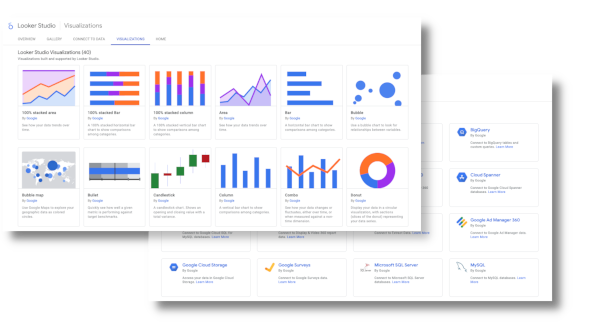
Exercise: Import a dataset into Google Looker Studio and create a simple dashboard to visualize key trends.
AI is a growth lever for women entrepreneurs. By adopting these tools, they can save time, improve their customer service, and make better strategic decisions.
The challenges and dangers of AI
Final quiz
Test Your Knowledge
A minimum score of 80% is required to pass the test